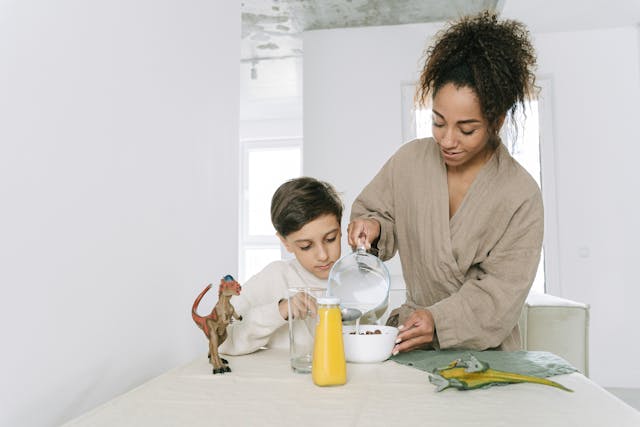
For many parents and guardians, especially those caring for young children, the day can feel like a constant rush. Between feedings, diaper changes, work responsibilities, and household tasks, it’s easy for routines to become stressful rather than helpful. The good news is that routines don’t have to be rigid schedules or complicated systems. When designed thoughtfully, they can make daily life smoother, reduce decision fatigue, and create a sense of calm for both parents and children.
Start With Just a Few Anchors in the Day
One common mistake when building routines is trying to organize every minute. Instead, focus on creating a few consistent “anchor points” in your day. These might include waking up, mealtimes, naps, and bedtime.
When children know what to expect around these moments, the rest of the day tends to flow more easily. For parents, anchors provide a predictable structure without feeling restrictive. For example, starting the day with the same small set of steps – breakfast, getting dressed, and a short playtime – can help everyone transition into the day more smoothly.
You don’t need perfection. Even loose consistency helps children feel secure and helps adults feel more in control of the day.
Simplify Tasks That Repeat Every Day
Parenting involves many repeated tasks, and simplifying those tasks can dramatically reduce daily stress. Look for small ways to make recurring responsibilities easier. These small adjustments may seem simple, but they add up over the course of busy weeks.
For example, preparing diapering stations in multiple rooms can save time and frustration. Keeping a small basket with wipes, diapers, and cream within easy reach helps avoid scrambling when you need supplies quickly. Many families also find that diaper subscription services remove one more item from the mental to-do list by ensuring essentials arrive regularly without last-minute store runs.
Build Flexible Routines, Not Rigid Schedules
Children’s needs change quickly, and strict schedules can create unnecessary pressure when things don’t go exactly as planned. Instead of thinking in terms of fixed times, consider creating a flexible sequence of activities.
A morning routine might follow this order:
- Wake up and diaper change
- Breakfast
- Playtime
- Getting dressed
- Preparing to leave the house or begin the day at home
The order stays consistent, even if the timing shifts. This approach keeps routines predictable for children while allowing room for the unexpected.
Flexibility helps routines remain supportive instead of stressful.
Use Small Habits to Save Time Later
Another effective strategy is identifying small habits that make later parts of the day easier. A few minutes of preparation can prevent bigger challenges down the line.
For instance, laying out clothes for the next day before bedtime can make mornings smoother. Preparing bottles or snacks in advance can reduce stress when your child wakes up hungry. Even simple organization, such as restocking diaper supplies in the evening, can prevent last-minute scrambling the next day.
Focus on What Works for Your Family
Every family has different rhythms, work schedules, and caregiving responsibilities. What works beautifully for one household might not work for another, and that’s completely normal.
Instead of comparing routines with others, pay attention to what helps your own family feel calmer and more connected. If a certain routine consistently reduces stress, keep it. If something feels overwhelming, adjust it or let it go. Routines should serve your family, not the other way around.
A Routine That Supports, Not Stresses
Parenting already comes with enough demands, so daily routines should make life easier, not harder. By focusing on a few predictable anchors, simplifying repeated tasks, and allowing flexibility, you can create rhythms that support both you and your child.
Over time, these small routines can transform busy days into ones that feel more manageable, organized, and calm. And when routines reduce stress for caregivers, children benefit too, growing up in an environment where daily life feels steady, supportive, and filled with care.
Author bio: Leila Chung is the VP of Marketing at Hello Bello, a consumer goods company offering premium, affordable baby and family care products. Leila has worked in marketing for over a decade, elevating the marketing presence of brands such as Hello Bello. She implements successful campaigns in digital, social and other media channels by focusing on driving brand strategy, leading integrated campaigns, and managing consumer communications.
Leave a Reply