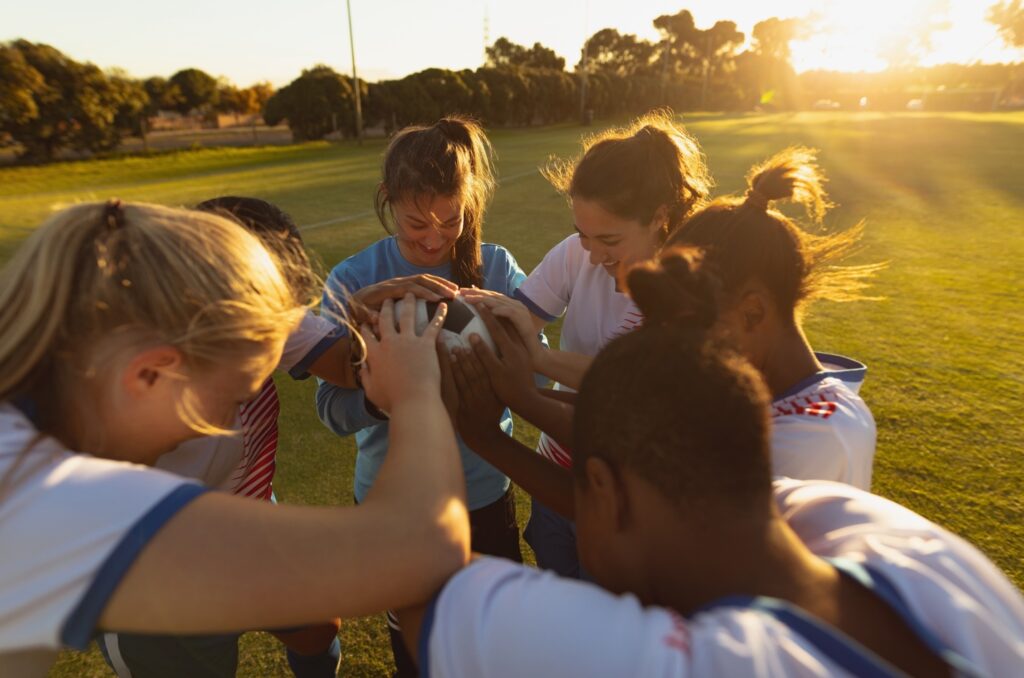
(photo credit: Microsoft Stock Images)
Youth sports offer children opportunities to stay active, develop friendships, and build confidence. However, access to organized athletics varies considerably between families. Registration fees, transportation challenges, and limited community resources can prevent interested children from participating. For parents, recognizing these barriers is an important step toward making sports more accessible, regardless of household income or neighborhood.
The Rising Cost of Youth Sports
Joining a sports team often involves more than paying a registration fee. Families may also need to purchase uniforms, protective equipment, and specialized footwear. Travel teams can introduce additional expenses through tournament fees, hotel stays, and transportation.
These costs can place organized athletics beyond the reach of some households, particularly those with multiple children. Community recreation leagues and equipment exchange programs may provide more affordable alternatives.
Transportation and Scheduling Barriers
Even when programs are inexpensive, getting children to practices and games can be difficult. Parents working evening shifts or managing several schedules may struggle to provide consistent transportation.
Programs located far from residential neighborhoods create additional obstacles for families without reliable vehicles. Schools and community organizations can help by offering activities closer to home or coordinating transportation assistance.
Unequal Access to Facilities and Coaching
Some communities have well-maintained athletic fields, indoor recreation centers, and experienced coaches. Others face limited facilities, outdated equipment, or shortages of qualified volunteers.
These differences can affect the variety and quality of sports available to children. Schools and local organizations may need to share facilities or develop partnerships to expand opportunities. Community event fundraising can also help cover equipment purchases, facility improvements, and participation scholarships when financial resources are limited.
Keeping Sports Welcoming for Every Child
Access involves more than affordability. Children who are new to sports, have disabilities, or lack previous training may feel discouraged when programs emphasize competition too early.
Recreational leagues should offer age-appropriate instruction and opportunities for children with different abilities. Coaches can support participation by focusing on skill development, teamwork, and enjoyment rather than winning alone. Parents can also ask local programs about financial assistance, beginner-friendly teams, and inclusive participation policies.
Closing the Gap Through Community Support
Reducing participation barriers requires cooperation between families, schools, recreation departments, and local organizations. Affordable programs, accessible facilities, and flexible scheduling can make a meaningful difference.
Youth sports should provide opportunities for children to develop healthy habits and positive relationships. Addressing financial and logistical obstacles helps more families participate and gives children a fairer chance to experience the benefits of organized athletics. Look over the infographic below for more information.

Leave a Reply