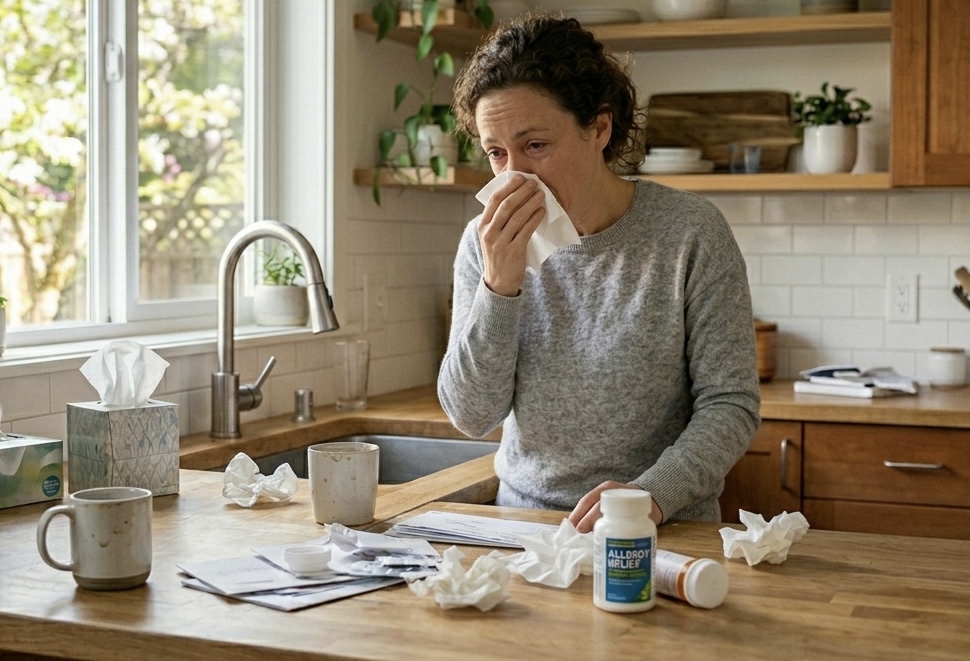
Allergy season doesn’t have to take over your life. Whether you’re dealing with pollen, dust, or pet dander, small daily habits can make a big difference in how you feel. By creating a consistent routine, you can reduce exposure to allergens and breathe easier—literally. Here are five practical habits you can start today to help manage allergy symptoms naturally and effectively.
1. Start Your Day with a Clean Environment
Your morning environment sets the tone for the rest of the day. Allergens like dust mites and pet dander can build up overnight, especially in bedrooms.
Make it a habit to:
- Open windows briefly (if pollen counts are low) to circulate fresh air
- Wipe down surfaces like nightstands and dressers
- Make your bed using allergen-resistant covers
Keeping your sleeping space clean reduces the number of irritants you encounter first thing in the morning. If pollen is high in your area, skip opening windows and focus on indoor air quality instead.
2. Shower and Change Clothes After Being Outdoors
Pollen and other outdoor allergens cling to your hair, skin, and clothing. Even a short walk outside can bring allergens into your home. One of the most effective habits is to shower and change clothes as soon as you come indoors.
This simple routine helps prevent allergens from spreading to furniture, bedding, and other surfaces. If a full shower isn’t practical every time, at least wash your face and hands and change your top layer of clothing.
Over time, this habit can significantly reduce your overall indoor allergen exposure.
3. Keep Indoor Air Clean and Filtered
Indoor air quality plays a major role in allergy management. Dust, mold spores, and pet dander can linger in the air, worsening symptoms throughout the day.
Daily habits to improve air quality include:
- Vacuuming high-traffic areas with a HEPA filter vacuum
- Running an air purifier in commonly used rooms
- Keeping humidity levels balanced to prevent mold growth
Many people are now exploring alternatives like this filterless air purifier, which can help reduce airborne particles without the need for frequent filter replacements. Consistency is key—clean air habits should be part of your daily routine, not just a once-a-week effort.
4. Be Mindful of What You Eat
Your diet can influence how your body responds to allergens. While food won’t cure allergies, certain choices can help reduce inflammation and support your immune system.
Consider incorporating:
- Anti-inflammatory foods like leafy greens, berries, and fatty fish
- Local honey, which some believe may help your body adapt to local pollen (results vary)
- Plenty of water to keep the mucus thin and manageable
At the same time, be aware of foods that may trigger cross-reactions, especially if you have pollen allergies. For example, some people allergic to birch pollen may react to apples or carrots.
Paying attention to how your body responds to certain foods can help you make smarter daily choices.
5. Check Daily Allergy Forecasts
One of the simplest yet most overlooked habits is checking your local allergy forecast. Pollen counts can vary significantly from day to day, and planning can help you minimize exposure.
On high-pollen days:
- Limit outdoor activities, especially in the early morning
- Keep windows closed in your home and car
- Wear sunglasses and a hat to reduce pollen contact
On lower-count days, you can take advantage of the opportunity to enjoy the outdoors with fewer symptoms.
Many weather apps now include allergy forecasts, making it easy to stay informed and adjust your routine accordingly.
Managing allergies isn’t about one big change—it’s about consistent, small habits that add up over time. By keeping your environment clean, limiting allergen exposure, and staying aware of daily conditions, you can take control of your symptoms instead of letting them control you.
The best part? These habits are simple, practical, and easy to integrate into your everyday life. With a little intention and consistency, you can create a home and routine that supports your health and helps you breathe easier all year long.