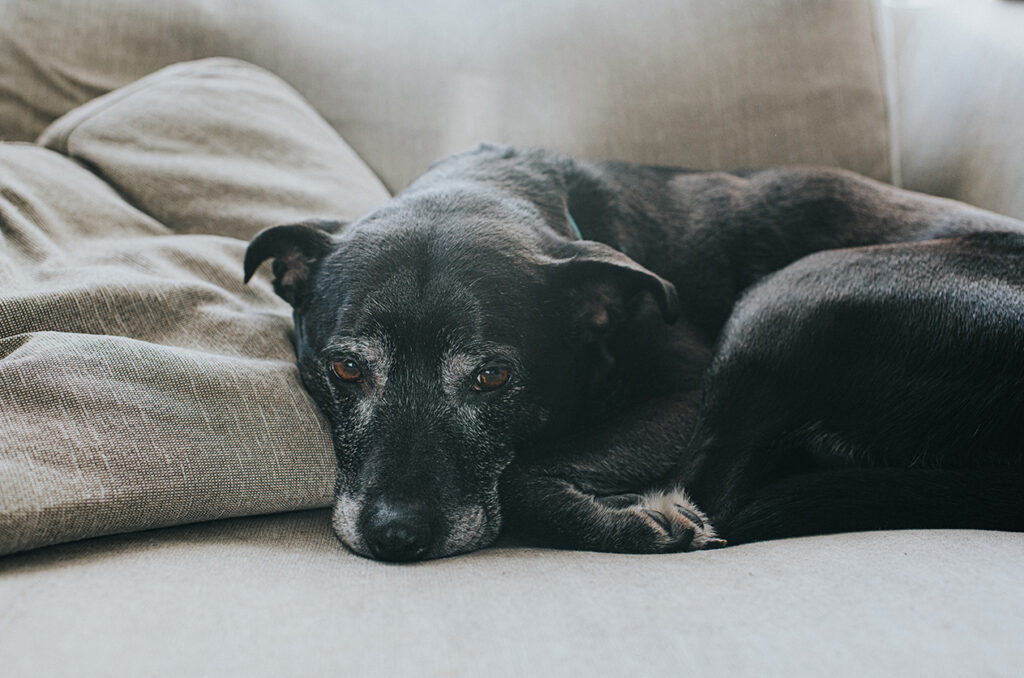
(photo credit: Microsoft Stock Images)
Growing older brings changes for pets just as it does for people. Senior dogs and cats may move more slowly, sleep longer, or develop health conditions that require extra attention. While aging cannot be prevented, thoughtful daily care can help older pets remain comfortable, active, and engaged with family life for as long as possible.
Watch for Changes in Behavior and Mobility
Small changes are often the first signs that a pet is aging. Difficulty climbing stairs, reluctance to jump onto furniture, stiffness after resting, or decreased interest in play may indicate joint discomfort or other health concerns.
Changes in appetite, thirst, weight, or bathroom habits should also be discussed with a veterinarian. Early evaluation allows many age-related conditions to be identified before they become more serious. Providing soft bedding, non-slip rugs, and easy access to food and water can also make everyday movement more comfortable.
Schedule Regular Veterinary Care
Routine veterinary visits become increasingly important as pets grow older. Regular examinations allow veterinarians to monitor weight, dental health, vision, hearing, and organ function while identifying concerns that may not be obvious at home.
Some senior pets may benefit from additional diagnostic testing depending on their age, breed, or symptoms. For example, a veterinary echocardiogram can help evaluate heart function when a veterinarian suspects cardiovascular disease or detects changes during a physical examination. Following recommended screening schedules supports earlier treatment and better long-term management of many health conditions.
Support Healthy Daily Habits
Senior pets still benefit from regular activity, even if exercise becomes less intense. Short walks, gentle play sessions, and mentally stimulating games help maintain muscle strength while supporting emotional well-being.
A balanced diet formulated for older pets can also provide appropriate nutrition as metabolism and activity levels change. Fresh water should always be available, and maintaining a healthy weight helps reduce stress on aging joints.
Caring for a senior pet requires patience, observation, and regular communication with your veterinarian. With consistent medical care, appropriate nutrition, and a comfortable home environment, older pets can continue enjoying happy, active lives while remaining valued members of the family. Look over the infographic below for more information.

Leave a Reply