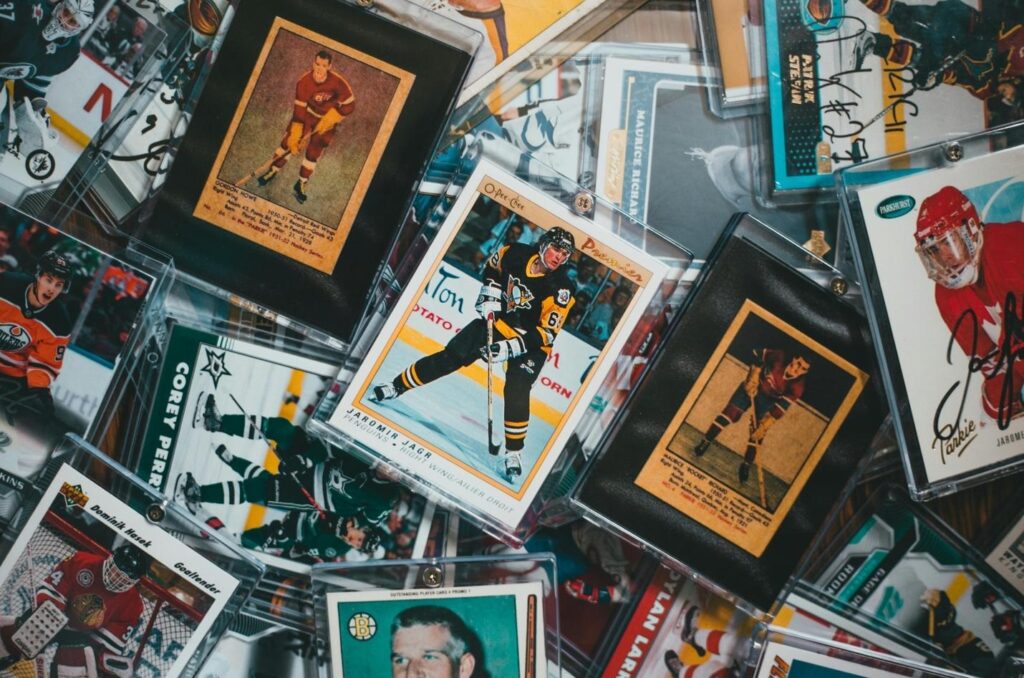
(photo credit: Pexels Stock Images)
Many families hold on to items that feel special, from childhood toys to keepsakes passed down through generations. Some of these items may also have real market value. The difference between a simple keepsake and a true collectible often comes down to a few key factors.
Rarity Drives Interest
One of the main factors behind value is rarity. Items that are hard to find often attract more attention from collectors. Limited production runs, discontinued items, or pieces tied to a specific event can become more valuable over time.
Mass-produced items usually have lower value unless something makes them unique. Scarcity creates demand, and demand can raise prices. Even small differences, such as a special edition or early version, can affect how rare an item is.
Condition Matters More Than You Think
Condition plays a major role in determining value. Items that are well preserved tend to be worth more than those with damage or heavy wear. Scratches, fading, or missing parts can reduce value significantly.
Original packaging can also add value. A toy still in its box or a book in good condition often attracts more interest. Careful storage helps protect items from damage and keeps their value higher over time.
History and Story Add Meaning
Items with a clear history often stand out. Collectibles connected to important events, well-known figures, or cultural moments can gain value because of their story.
For example, certain types of movie memorabilia can become highly sought after when linked to popular films or actors. The story behind the item helps create emotional interest among collectors.
Demand Shapes Market Value
Value depends on what people are willing to pay. Trends can shift over time, and items that were once common may become popular again. At the same time, some collectibles may lose interest if demand fades.
Popular categories often include toys, books, sports items, and entertainment-related pieces. Demand can vary by age group, location, and cultural trends.
Authenticity Builds Trust
Collectors want to know that an item is real. Authenticity plays a key role in value. Items with proof of origin or certification often sell for higher prices.
Reproductions or copies usually have less value, even if they look similar to the original. Clear documentation helps build trust and supports stronger pricing. Keeping records, receipts, or certificates can help confirm authenticity later.
Emotional Value Still Matters
While market value is important, emotional value should not be ignored. Many items hold meaning because of personal memories. A toy from childhood or a gift from a loved one may not be worth much financially, but it can still be priceless to a family.
Collectibles gain value through rarity, condition, history, demand, and authenticity. These factors work together to shape how an item is viewed by collectors. With a clear understanding of these elements, families can make more informed choices about the items they hold onto over time. Look over the infographic below for more information.
