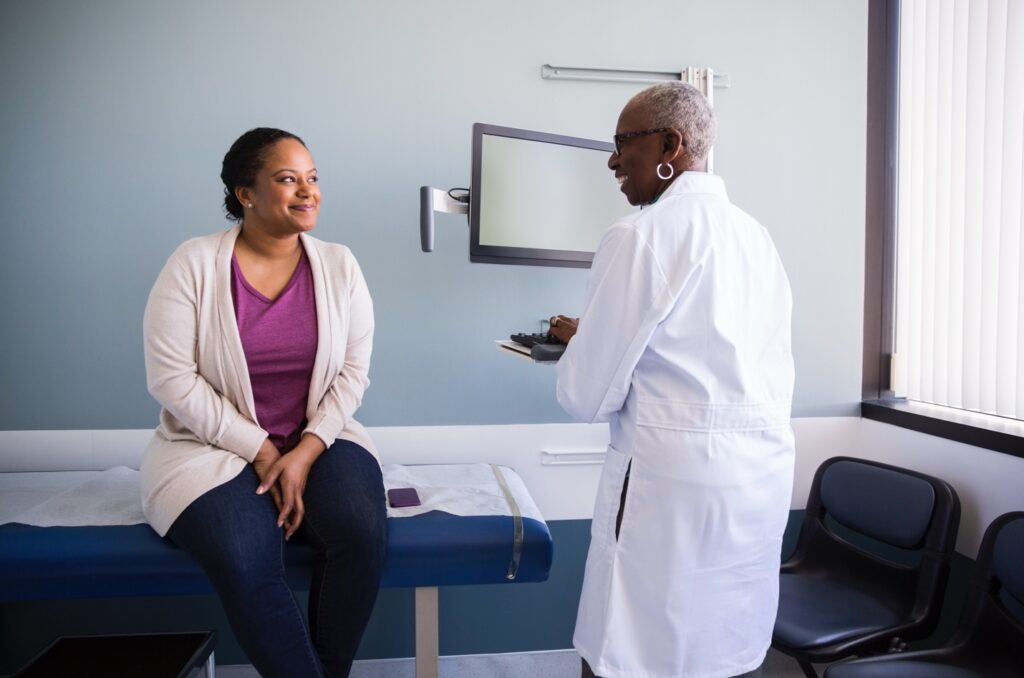
(photo credit: Microsoft Stock Images)
Breast cancer screening plays an important role in detecting changes that may require further evaluation before symptoms appear. For many mothers, however, keeping up with recommended screenings is often more difficult than it seems. Daily responsibilities, caregiving demands, work schedules, and financial concerns can all delay preventive healthcare. Recognizing these obstacles is the first step toward making personal health a lasting priority.
Everyday Responsibilities Can Delay Care
Many mothers place the needs of their children and families ahead of their own health. School schedules, extracurricular activities, work commitments, and household responsibilities often leave little time for medical appointments. As a result, routine screenings may be postponed repeatedly.
Transportation, childcare, and limited appointment availability can also create additional challenges. Some healthcare providers now offer extended office hours or weekend appointments to improve access for busy families. Planning annual wellness visits well in advance and adding reminders to personal calendars can make preventive care easier to maintain.
Fear and Uncertainty Affect Decisions
Emotional concerns also influence screening participation. Some women worry about receiving unexpected results, while others fear discomfort during the procedure or believe they are unlikely to develop breast cancer because they feel healthy.
Learning what to expect before an appointment can reduce anxiety. Speaking openly with a healthcare provider allows patients to ask questions about the screening process, recommended screening schedules, and individual risk factors based on age, family history, and overall health. Reliable information often replaces uncertainty with greater confidence.
Access and Awareness Matter
Access to healthcare services varies between communities. Insurance coverage, travel distance, language barriers, and limited availability of imaging centers may affect how easily women can schedule recommended screenings. Public health programs, community organizations, and healthcare systems continue working to improve access through educational outreach and expanded screening opportunities.
Families also benefit from discussing preventive healthcare openly. Conversations about wellness encourage healthy habits across generations and remind children that routine medical care is a normal part of staying healthy. Community fundraising efforts, including activities as varied as a recreational vehicle donation to support charitable organizations, can also help expand resources for health education and other public benefit initiatives.
Mothers often spend significant time caring for everyone around them, but maintaining personal health allows them to continue supporting those they love. Scheduling recommended screenings, discussing individual risk factors with healthcare providers, and addressing practical barriers early can make preventive care more manageable. Small planning steps taken today may help prevent longer delays in the future, creating healthier outcomes for individuals, families, and communities alike. Look over the infographic below to learn more.

Leave a Reply